
Stainless Steel Trauma Shears for Emergency Response Use Pro
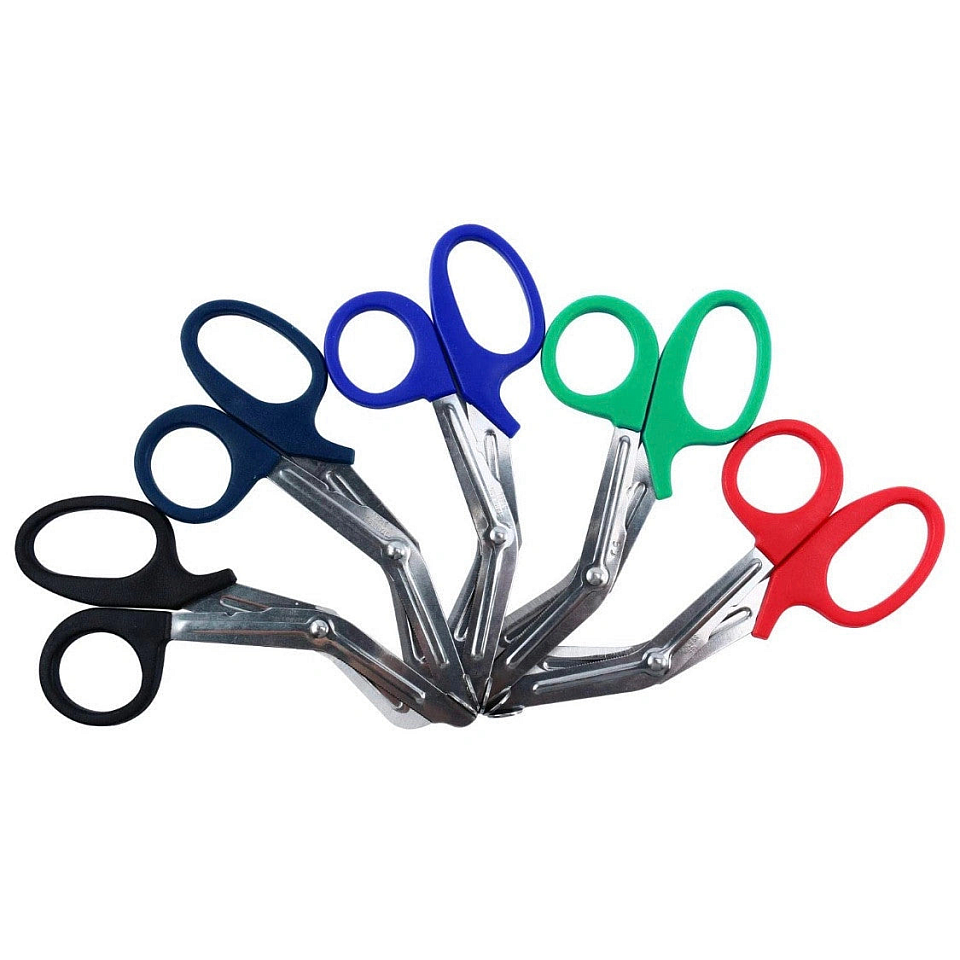
In every EMS classroom and on every call, MedTech emt shears are an indispensable tool.
Whether students are learning how to cut clothing during a simulation or seasoned providers need precision gear on a real scene, the right shears elevate performance and safety.
At the core of emergency response kits, these essential EMT trauma shears combine strength and reliability and they’re a staple on checklists for what do I need for EMT school.
When selecting the best EMT shears, emergency responders look for features like durable stainless steel construction, ergonomic grips, corrosion resistance, and the ability to tackle multiple materials from seat belt webbing to clothing and bandages.
For EMS educators and students, investing in quality emt safety shears supports hands‑on learning and develops effective tool use in high‑stress scenarios.
MedTechKits.com – EMS Supplies
As an ems supply store focused on quality and utility, MedTechKits.com is known for assembling MedTech EMS School Kits that include everything from simulation gear to essential field tools.
Students often ask: “Where is the best emt supply store to get school‑ready supplies?” MedTechKits.com is a top choice for both instructors and learners seeking comprehensive resources.
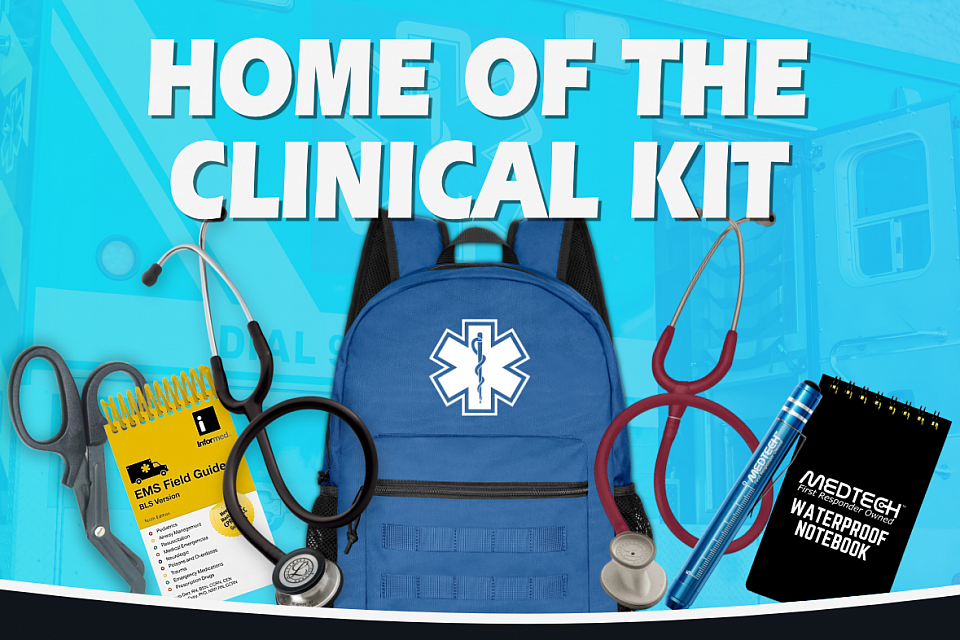
Their catalog of ems supplies is built with feedback from instructors and field providers, ensuring that gear like trauma shears, simulation manikins (e.g., lifepak simulator trainers), and basic emt tools are practical, durable, and suitable for classroom and clinical experience.
These kits help streamline procurement for EMT programs and support consistent training standards.
Stainless Steel Trauma Shears for EMS Schools
For EMS students, trauma shears do more than cut they reinforce critical thinking, procedural awareness, and teamwork in simulations and real‑world scenarios.
High‑quality stainless steel blades provide clean cuts through tough materials without dulling prematurely.
EMS instructors emphasize that mastering tool selection and handling is part of “soft skills” education. Knowing when to deploy emt trauma shears versus a utility knife or scissors can make a meaningful difference during patient assessment and care.
Because students regularly practice with these tools throughout their training, shears become synonymous with preparedness.
Key Features to Look for in EMT Trauma Shears
Choosing the best EMT shears requires understanding what features matter most in both training and field environments:
1. Stainless Steel Durability
Stainless steel resists rust, maintains sharpness longer, and stands up to repeated use vital when students are learning proper techniques in class and labs.
2. Safety and Ergonomics
Comfortable grips and safe designs minimize hand fatigue during practice scenarios. Look for emt safety shears with non‑slip handles and rounded tips to avoid inadvertent injuries.
3. Multi‑Material Cutting Capability
From bandages and clothing to light‑gauge metals such as seatbelts, trauma shears should handle various materials without snagging or deforming.
4. Length and Portability
Compact enough to carry on a duty belt, yet long enough to handle bulky materials, the ideal shears balance portability with cutting power a critical criterion for shears EMT students will use daily.
These attributes help ensure that first responders and the next generation of EMTs have gear they can trust.
Stainless Steel vs. Other Materials
When researching options for emt tools, students and educators often compare stainless steel trauma shears with alternatives such as titanium‑coated variants or plastic composite handles. Here’s how they differ:
Stainless Steel Trauma Shears:
Stainless steel trauma shears
are the traditional, reliable choice for emt trauma shears used in training and field practice.
They offer strong cutting performance through clothing, bandages, and straps, are easy to maintain and sterilize, and are typically more budget‑friendly making them suitable for student kits and regular classroom use.
Their corrosion resistance is solid, and they maintain acceptable sharpness for frequent EMS training scenarios.
Titanium‑Coated Trauma Shears:
Titanium‑coated trauma shears, while still built on stainless steel, feature a surface coating that enhances blade hardness and resistance to rust and wear.
This means the best EMT shears with titanium coating tend to stay sharper longer and resist adhesive buildup from tape or blood, which can improve cutting efficiency over time.
For students or responders expecting heavier use or who want a longer‑lasting tool, titanium‑coated options offer an advantage in durability though they usually come at a higher cost than plain stainless steel.
Quick takeaway:
Stainless steel is cost‑effective, dependable, and ideal for training and daily practice, while titanium‑coated shears are a premium step up with greater edge retention and corrosion resistance for frequent or demanding use.
Incorporating EMT Shears into Training Scenarios
In EMS school supplies, emt shears are integrated into a wide range of simulations:
Trauma Assessment Drills
Students practice quickly exposing injury sites by removing clothing and bandages without compromising patient comfort.
Vehicle Extrication Scenarios
Simulations involving seatbelt rescue and clothing removal put shears to the test in realistic, timed environments.
Lifepak Simulator Integration
With lifepak simulator mannequins and other high‑fidelity training devices, students learn how to use trauma shears as part of full assessment and treatment workflows.
By embedding shears in these scenarios, EMS educators reinforce judgement skills, procedural sequencing, and safe tool handling core competencies for emerging professionals.
How to Choose the Right EMT Shears for School & Field Use
Selecting trauma shears for classroom procurement or personal use involves balancing performance with cost and longevity. Below is a practical checklist for EMS schools and students:
Classroom Compatibility: Are the shears easily cleaned and disinfected after repeated use?
Field Durability: Do they withstand transport, pocket carry, and frequent use?
User Comfort: Are they suitable for users with smaller or larger hands?
Simulation Needs: Do they perform effectively on training mannequins and props?
By aligning tool choice with both instructional needs and real‑world application, EMS programs can ensure that students are proficient with tools they will actually encounter in practice.
What Do I Need for EMT School? EMT Shears and Beyond
For students wondering what do I need for EMT school, here’s a core list beyond trauma shears:
Stethoscope
Blood Pressure Cuff
Penlight
CPR Mask
Trauma Shears (EMT Shears)
EMS Gloves and PPE
Reference Materials (Field Guides, Protocol Books)
Pairing quality shears with other respected tools ensures that students are not only prepared for class skills labs but also ready for ride‑along experiences and eventual certification exams.
Frequently Asked Questions
Q1. What makes trauma shears different from regular scissors?
Trauma shears are specifically engineered for cutting tough materials encountered in emergency settings like thick clothing, webbing, and light metals while scissors are typically designed for paper and fabric. Trauma shears feature angled blades, serrated edges, and rugged construction for field use.
Q2. How often should EMT shears be replaced?
Replacement frequency depends on usage. In a training environment with heavy daily use, shears might be evaluated quarterly for blade sharpness and handle integrity. In field use, providers often replace shears annually or when cutting performance diminishes. Regular inspection is key.
Q3. Can EMT students use trauma shears during clinical rotations?
Yes. Most training programs encourage students to carry their own emt safety shears as part of their kit during clinicals and ride‑alongs, provided they follow local agency policies. Personal tools help students practice consistency and tool familiarity.
Other Helpful Articles
Searching for Sharp & Durable Trauma Shears Online?
MedTech is a Top Choice of EMS Students for Durable Trauma Shears
